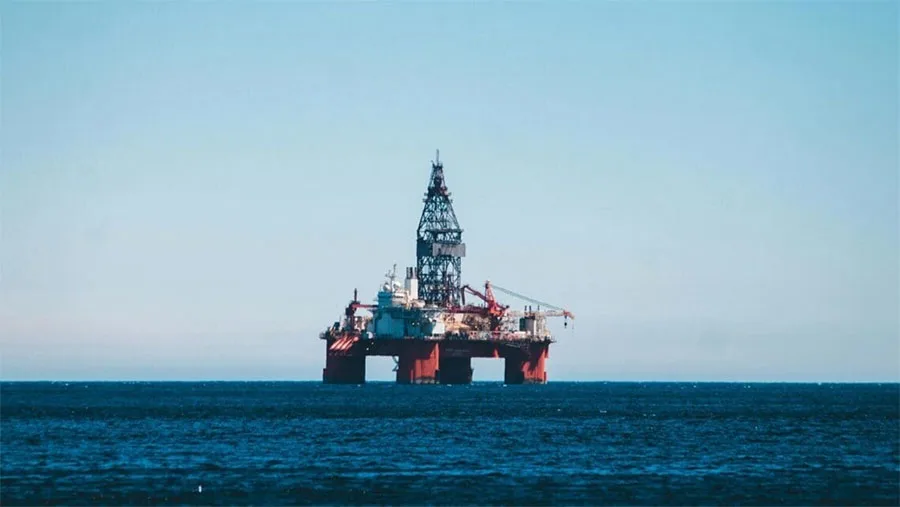
Petrogas North Sea, the UK subsidiary of Oman-based Petrogas E&P, has submitted an environmental statement for a new gas development in the UK North Sea, clearing a key regulatory milestone on the path toward a final investment decision with first gas targeted for 2029.
The environmental statement submission moves the project into the formal assessment phase with the North Sea Transition Authority, a prerequisite for securing the development consent needed to proceed to construction and installation. The specific field name and location have not been confirmed publicly at this stage, though Petrogas North Sea operates across the East Shetland Basin and adjacent areas of the UK Continental Shelf.
The development follows a successful track record for Petrogas in the North Sea. The company made a gas discovery in the UK sector in November 2024 using Noble Corporation’s Noble Resilient jackup rig, which had been working for the company on an assignment that concluded in early 2025. That discovery is widely understood to underpin the new project now moving through the environmental approval process.

Petrogas has built a strong North Sea position through a combination of Dutch and UK sector activity. In the Dutch sector, it developed the A15 gas field, which achieved first production in February 2024, and the B10 platform, which followed in 2025. Both projects were delivered using modern low-emissions platform designs and tied back efficiently to existing infrastructure. The A15 development was completed 22 months after final investment decision, demonstrating the company’s ability to execute quickly within the North Sea regulatory environment.
Petrogas North Sea operates as a standalone entity within the wider Petrogas E&P group, which is headquartered in Muscat, Oman, and has upstream operations across the Middle East, Africa and Europe. The UK business is run from its London office at 1 Bartholomew Lane in the City.
The submission of the environmental statement is significant for the UK gas supply picture. The UK continues to face a structural decline in domestic gas production from the UKCS as mature fields deplete, making new developments such as this one important contributors to the longer-term domestic supply balance. A 2029 first gas date would bring the project online within the window when UK gas import dependency is projected to increase most sharply, making the timing commercially and strategically well-judged.
“Your company news doesn’t just get published – it’s seen by the decision makers who matter.”