Hornsea 3 – a vast, offshore, wind farm project – has reached Norfolk, as renewables cut costs and reduce reliance on gas
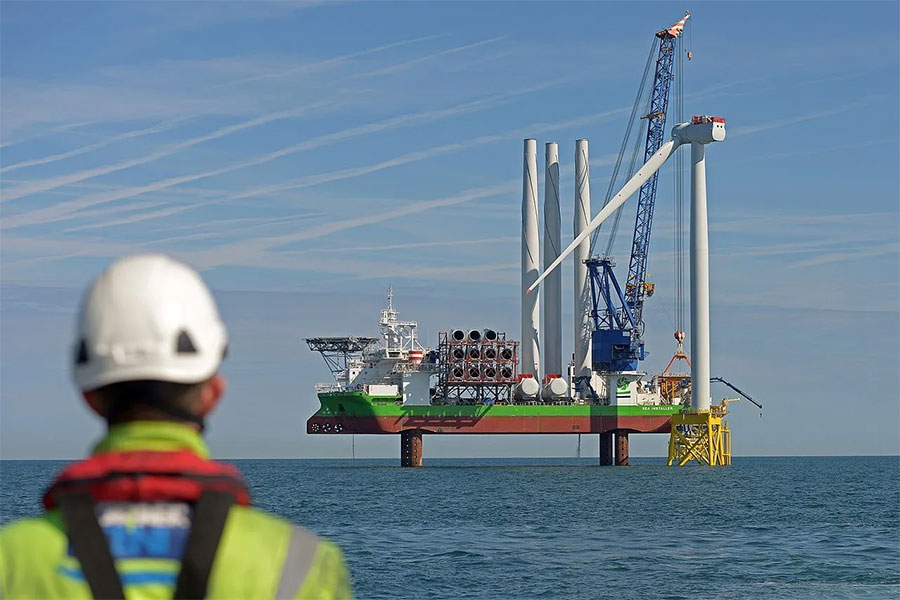
The first export cable from Hornsea 3 – set to become the world’s largest offshore wind farm – has now come ashore at Weybourne on the North Norfolk coast. It is a significant moment. The project, developed by Ørsted, with a planned capacity of 2.9 gigawatts, is expected to generate enough electricity to power more than 3.3 million homes when it is completed in 2027. The turbines themselves will stand around 120 kilometres off the Yorkshire coast, but the electricity they produce will not enter the UK grid there. Instead, it comes ashore in Norfolk.
From Weybourne, the cables will run more than 30 miles underground through North Norfolk, Broadland and South Norfolk to a converter station at Swardeston, before connecting into the National Grid at the Norwich Main substation. In effect, East Anglia is becoming a gateway for renewable energy, with power generated in the North Sea brought ashore here and then carried south to meet demand in London and the south-east.
A political debate moving in the opposite direction
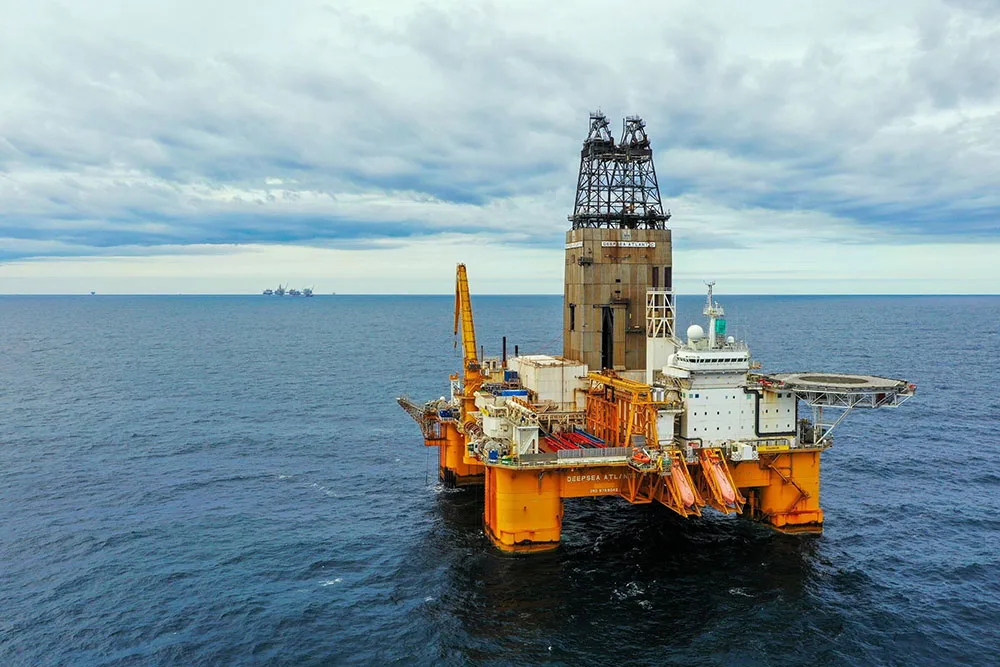
This moment comes at a time of growing political division over the UK’s energy future. Reform UK, currently leading in polls ahead of the local elections, has called for an expansion of North Sea oil and gas production and for net zero policies to be scrapped, arguing that they are driving up costs. That argument has gained traction as global energy prices have risen after the US and Israel’s war with Iran led to the closure of the Strait of Hormuz, disrupting oil and gas supplies.
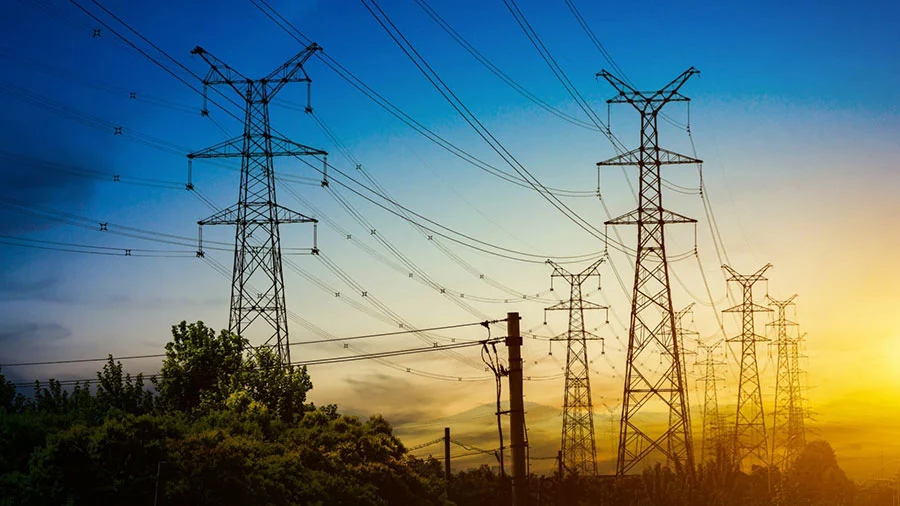
However, the cause of those rising costs is precisely the UK’s continued exposure to fossil fuel markets. When oil and gas prices spike globally, the UK feels the impact quickly through energy bills and the wider economy. That contrast matters. At the very moment fossil fuel dependence is exposing the UK to global shocks, the country is investing in infrastructure designed to reduce that exposure.
Renewables already cutting costs
New analysis from Carbon Brief shows how far the shift to renewables has already gone. In March 2026, record electricity generation from wind and solar avoided the need for around £1bn of gas imports. Together, these sources produced 11 terawatt hours of electricity, while gas-fired generation fell to its lowest level ever recorded for the month. This is not a marginal change; it is already reshaping the energy system.

It also affects how electricity prices are set. In the UK market, the price of electricity is usually determined by the most expensive source needed to meet demand, which is typically gas. Even when most power comes from cheaper renewable sources, gas can still set the overall price. However, as wind and solar generation increase, gas is used less often, meaning it sets the price less frequently. In simple terms, the more renewable energy the UK produces, the less our electricity costs are tied to volatile global gas markets.
A system changing in real time
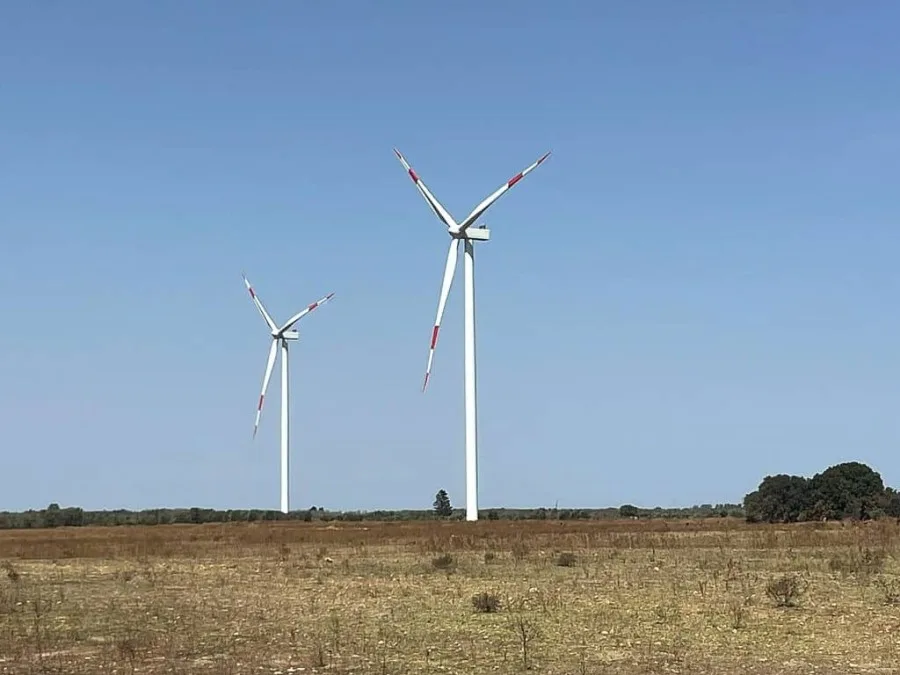
Hornsea 3 will add significantly to this shift. The UK currently operates around 15 gigawatts of offshore wind capacity, with a target of 50 gigawatts by 2030, and projects of this scale are essential to reaching that goal. They are also reshaping the geography of the energy system. As demand rises – driven by electric vehicles, heat pumps and data centres – large volumes of renewable power need to be moved from coastal regions to major population centres, which is why infrastructure in places like Norfolk matters. East Anglia is no longer at the edge of the system – it is becoming central to how the country is powered.
The project itself reflects the scale of the transition. Hornsea 3 is valued at around £8.5bn and is expected to support up to 5,000 jobs during construction, with around 1,200 permanent roles once operational. Its supply chain stretches across Europe and Asia, and its construction has been in planning for nearly a decade.
From climate ambition to economic reality
What is changing now is not just the scale of renewable energy, but how it is understood. For years, projects like this were framed mainly in terms of climate targets. That remains critical, but the immediate economic benefits are now clearer: lower costs, greater stability and less reliance on imported gas. Renewables help shield households from volatile global markets while strengthening energy security.
At a moment when geopolitical instability is pushing up the cost of fossil fuels, those advantages are no longer abstract. Hornsea 3 reaching the Norfolk coast is one step in a much larger shift, showing how the UK is beginning to build an energy system that relies less on volatile global markets and more on domestic, renewable sources. The wind farm may be out at sea, but its impact is already being felt on land in lower gas demand and in changing electricity prices.
As regions like East Anglia play a growing role in powering the country, the direction of travel is clear. The question is whether those arguing for more fossil fuels will recognise it.
“When you share your news through GEN, you’re not just getting coverage – you’re getting endorsed by the energy sector’s most trusted voice.”