
A growing number of UK North Sea operators are backing collaborative approaches to decommissioning, signing up to shared campaign frameworks that pool resources, standardise procedures and coordinate planning across multiple assets in a bid to cut costs and address an accelerating regulatory backlog.
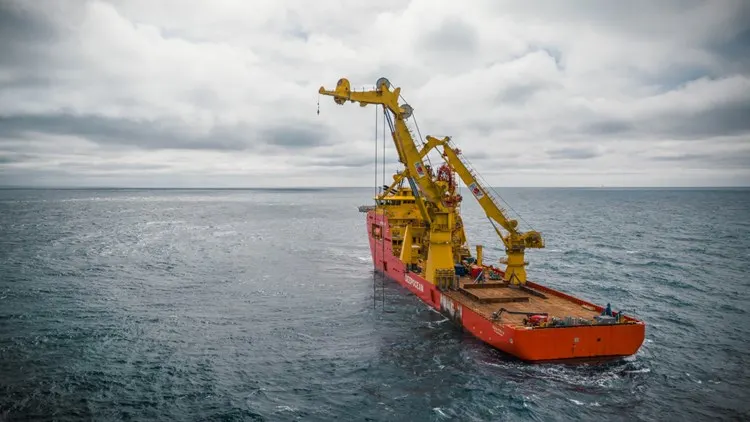
The most significant recent development has been the launch of the Decommissioning Collective by Boskalis Subsea Services, a collaborative delivery model designed to replace fragmented, project-by-project contracting with a sustained programme of shared work. Harbour Energy is among the first operators to participate, with three companies already planning activity through the Collective covering up to 3,000 days of work over the next decade. Boskalis said the approach improves efficiency, cost certainty and predictability while maintaining safety and responsible asset stewardship. The initiative is supported by more than £250 million of Boskalis investment in UK subsea capability including new vessels, advanced remotely operated vehicles and intervention tooling, creating 200 jobs in the process.
The move toward collaborative campaign models comes against a backdrop of significant regulatory pressure from the North Sea Transition Authority. The NSTA published its first performance table in late 2025 naming operators behind on decommissioning their inactive wells, with 13 operators found to have missed their consent deadlines across 153 inactive wells. The regulator has since opened formal investigations into several companies for alleged failures to complete plug and abandonment work in line with approved plans.

The NSTA’s data shows the scale of the task. Wells remain the largest single cost driver in North Sea decommissioning, accounting for approximately 45% of total budgets. The authority has projected nearly 2,000 wells will need to be decommissioned by 2034, alongside 95,000 tonnes of subsea infrastructure and 883 kilometres of pipelines. UK North Sea decommissioning expenditure passed £2 billion for the first time in 2024, with OEUK forecasting that decommissioning could account for more than 30% of all UK continental shelf oil and gas expenditure by 2030 and potentially surpass capital expenditure as early as 2028 if investment uncertainty persists.
The supply chain constraints driving the shift to campaign models are well documented. There is a limited number of semi-submersible well intervention units globally capable of the most complex P&A operations, with day rates in both heavy-lift and well intervention markets rising at 8 to 15% annually since 2023. Booking slots run 18 to 24 months ahead, meaning operators that secure long-term campaign arrangements gain a significant commercial and scheduling advantage over those contracting project by project.
Well-Safe Solutions provides another example of the campaign model in action. The Aberdeen-based company has secured a multi-year programme with EnQuest’s Heather operations, with the Well-Safe Defender semi-submersible committed to a minimum of 100 days of activity in 2026 followed by 130 days in 2027. Well-Safe also holds the largest single decommissioning contract in North Sea history, a multi-year programme awarded by Apache North Sea for the Forties Field covering all platform and subsea well decommissioning.
OEUK’s Decommissioning Insight report makes clear that operators with strong campaign management approaches are achieving cost savings of 15 to 25% against industry averages, with early supply chain engagement and advanced planning tools identified as the primary drivers of outperformance. The Offshore Decommissioning Conference returns to St Andrews in November 2026, where OEUK is expected to publish its 2026 Decommissioning Insight report and showcase the latest campaign and collaboration models being deployed across the basin.
“From our platform to LinkedIn’s energy professionals – your announcements reach the entire sector’s network, not just our readers.”