The executive says the company aims to become the country’s largest private oil and gas producer.
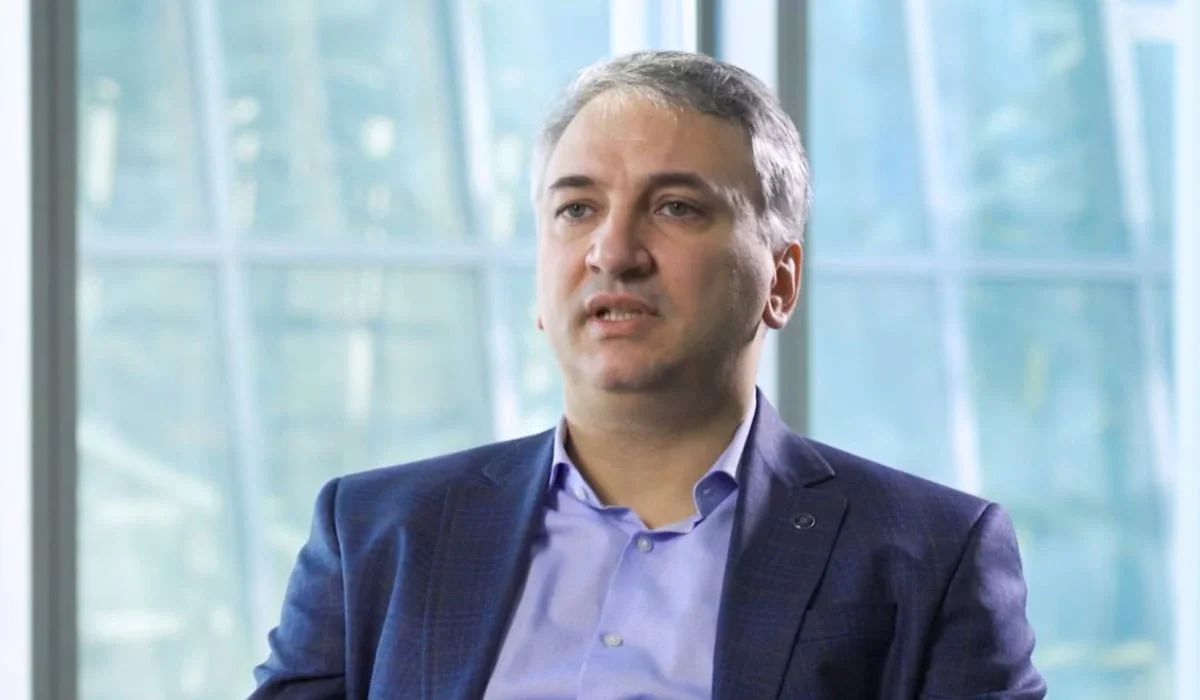
Valora Analitik spoke exclusively with Parex Resources’ global CEO, Imad Mohsen, about the company’s commitment to Colombia and its plans to become the country’s largest private oil and gas producer, excluding state-owned Ecopetrol.
To achieve that goal, the Canadian company is pursuing the acquisition of Frontera Energy’s upstream assets in Colombia in a deal valued at $525 million. If completed, Parex would reach approximately a 10% share of the Colombian market.
In this conversation, Mohsen explains why he remains confident in Colombia, addresses speculation about a potential move into Venezuela, and shares his view on Canada’s oil and gas industry.
Everything is relative. I know that in Colombia some people complain that the Petro government is more anti-gas than previous governments. But if I compare the stability of the fiscal regime, respect for the rule of law, respect for contracts, free movement of capital, and Colombia’s OECD membership with other countries in the region, it is very different.
In Ecuador, for example, everything changes with every election. In Argentina, things are good until they are not. And in Venezuela, right now they have a gun to their head—what happens when that changes?
Colombia is not based on a single political party. You have institutions. Even when the current government has taken decisions that are not favorable to the industry, it has respected existing contracts.

The policy is also clear: no new exploration areas,but maximize what you already have without increasing environmental impact. For us, that works. Parex has one of the largest acreage positions among private companies in Colombia—three to four times larger than most, excluding Ecopetrol.
Our strategy is to use technology to increase recovery from existing fields and maximize returns. We are also focusing on gas, because the country needs gas. We have a strong partnership with Ecopetrol in the Piedemonte and are exploring opportunities in the VIM area.
So, our strategy does not go against what the government wants. Whether the right wins or the left wins, we are comfortable.
You tend to compare Colombia A versus Colombia B versus Colombia C, and that can be disappointing. But from a global perspective, Colombia is one of the cleanest countries I have worked in in oil and gas outside the OECD.
If you go to other regions—Africa, the Gulf, or parts of South America—the level of corruption can be very detrimental. Colombia is clean. The public sector wants what is best for the country.
And that is very important for us. The subsurface geology is excellent and well understood, we have a strong land position, and we have built a solid track record with communities.
We do what we promise—whether it is building roads, providing water, or supporting local infrastructure—and that gives us strong acceptance in the regions where we operate. That is a key differentiator for us.
We understand the geology, the people, the politics, and the fiscal regime works for us. So why go somewhere else?
“From our platform to LinkedIn’s energy professionals – your announcements reach the entire sector’s network, not just our readers.”