


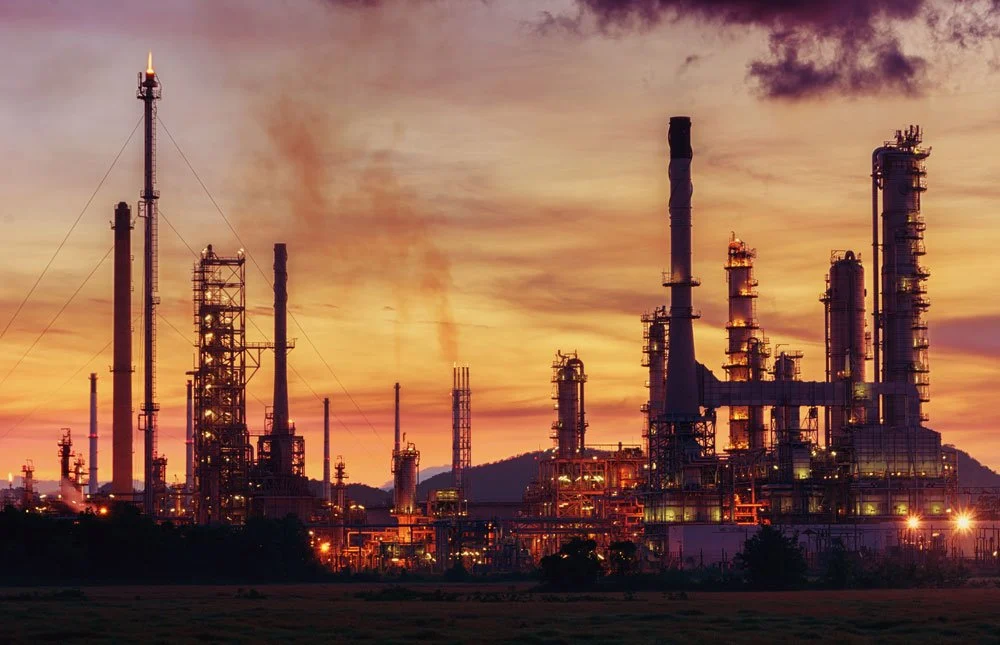
Private companies will fund 91% of a $1bn push to find commercially viable reserves
Morocco plans to invest MAD 9.21 billion ($1 billion) in oil and natural gas exploration through 2031, with private companies — foreign and domestic — expected to fund 91% of the programme as the country pushes to identify commercially viable reserves and reduce its heavy dependence on energy imports.
The figures come from Morocco’s Ministry of Economy and Finance, published in a performance report on state-owned enterprises submitted as part of the draft 2027 budget currently under parliamentary review.
The National Office of Hydrocarbons and Mines (ONHYM), the state body responsible for mineral and hydrocarbon exploration, will lead the effort alongside private-sector partners.
At the end of 2025, eleven companies were conducting hydrocarbon exploration across 107,000 square kilometres of Moroccan territory, operating ten onshore and 30 offshore licences. Despite years of foreign-led exploration, local production has remained limited, leaving Morocco reliant on imported oil to meet domestic demand.
Several gas projects are now approaching commercial production. Among them is the Tendrara field in eastern Morocco, operated by Moroccan mining company Managem — one of the more advanced prospects in the current exploration portfolio.

Morocco’s annual natural gas consumption stands at roughly one billion cubic metres (bcm), driven primarily by steel plants, the phosphate industry, and power stations.
Pipeline gas volumes rose 7.9% in 2025 to approximately 890.1 million cubic metres (mmcm), according to the ministry’s report — a sign of growing demand that the domestic exploration drive is intended to help satisfy.
Beyond its own acreage, Morocco is also pursuing a larger regional energy play.
The Nigeria-Morocco Atlantic African Gas Pipeline — a proposed 6,800-kilometre pipeline designed to carry up to 30 bcm of natural gas annually — reached a milestone in July 2025 with the signing of an intergovernmental agreement among participating countries.
The $25 billion project is designed to supply West African nations before connecting to the Maghreb-Europe Gas Pipeline, potentially enabling exports to Morocco and European markets. Initial gas supplies through the pipeline are targeted for 2031.
The dual strategy — domestic exploration and regional pipeline infrastructure — reflects Morocco’s ambition to move from import dependence to a position of greater energy security, and potentially supply, within the same timeframe.
“Join the companies that smart energy professionals follow – because when you’re featured on GEN, the industry pays attention.”