


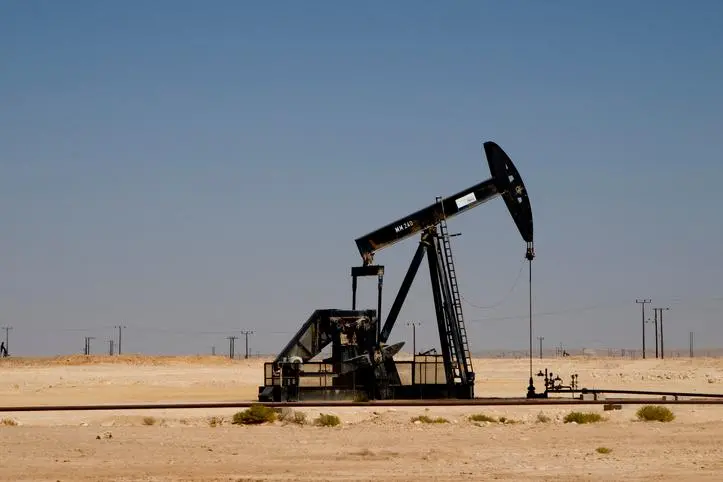
Fiscally stressed Colombia is facing multiple crises that possess the potential to derail a vulnerable economy. Oil and natural gas production is in freefall because of adverse regulatory reforms and frequent tax hikes. Declining revenue from Colombia’s oil patch is impacting a fragile economy and weak government finances. There are fears that recent oil shocks caused by Tehran’s closing of the Strait of Hormuz will sharply impact Colombia’s hydrocarbon-dependent economy, potentially triggering energy and fiscal crises due to a growing reliance on importing natural gas.
There is considerable concern over how rapidly declining oil production is impacting Colombia’s petroleum-dependent economy. According to regulatory data for February 2026, the Andean country pumped an average of 734,924 barrels of crude oil per day. This was not only 1.5% lower than a month prior and 2.7% less year over year, but it is the lowest monthly output since July 2021. Indeed, the strife-torn country is pumping 23% less oil than it was a decade ago.
That multiyear low is well below the one million plus barrels per day that previous administrations, before President Gustavo Petro, Colombia’s first leftist president, considered fiscally viable. The marked production decline is sharply impacting the economy and government finances. You see, oil is Colombia’s single largest export, generating 17% of export earnings during 2025, and a major contributor to fiscal income. Those developments are weighing on a government budget that never fully recovered from the economic fallout triggered by the COVID-19 pandemic.
A marked ongoing decline in natural gas production is sparking considerable concern. While this fossil fuel is viewed as the transitional source of energy for the renewable energy revolution, Colombia’s natural gas industry has been hit hard by Petro’s push to wean the country off its hydrocarbon dependency. For February 2026, Colombia pumped an average of 695 million cubic feet of natural gas per day.
This volume, while nearly 2% greater than a month earlier, was a concerning 16% lower year over year. On an extremely concerning note, February 2026 natural gas output was a whopping 35% lower than a decade earlier. This ongoing decline in production is materially impacting Colombia’s hydrocarbon-dependent economy.
You see, natural gas is a vital fuel for Colombia’s economy, with it used in a range of essential applications across industries and households. The sharp decline in natural gas production and reserves forced a multi-pronged response to a steadily building energy crisis, which threatens to stall the economy. In response, Bogota is rapidly scaling up costly liquified petroleum gas (LPG) imports, which, despite boosting supply, creates major economic risk.


As a result, a fifth of natural gas consumed in Colombia is now imported, compared to less than 4% a year earlier. This is worrying because a decade earlier, Colombia lifted enough of the fuel, around 1.1 million cubic feet per day, to be self-sufficient. This reliance on expensive LPG shipments is impacting a fragile economy and weighing heavily on Bogota’s shaky financial position. Those risks are magnified by the conflict in the Middle East after Iran closed the Strait of Hormuz, preventing a fifth of global hydrocarbon supply from navigating the waterway.
Tehran’s strikes on vital oil and natural gas infrastructure in the Middle East, as it responded to U.S. and Israeli attacks, knocked out 17% of Qatar’s natural gas capacity for up to five years. The tiny Persian Gulf emirate is responsible for producing around a fifth of the world’s natural gas. There are fears that the loss of a substantial portion of Qatar’s productive capacity will cause prices to remain higher for a lengthy period.
In response to those events, energy prices spiked, delivering what the International Energy Agency (IEA) called the largest disruption of global oil markets to have ever occurred. Brent soared to over $144 per barrel, while natural gas surged to over $3.20 per million British Thermal Units (BTU), although energy prices plummeted after a two-week ceasefire was announced earlier this week.
The confluence of those events will cause natural gas prices to spiral ever higher at a crucial time for Colombia’s economy. A sharp drop in fiscal revenue, along with increased spending by Petro, is placing considerable pressure on government finances during what is an election year. This caused the budget deficit to blow out, hitting a very worrying 7.5% of gross domestic product (GDP) for 2025, the second highest on record, with the 2020 COVID pandemic the worst.
A combination of higher spending and falling fiscal revenue, along with Petro’s lack of fiscal discipline, will see the deficit worsen during 2026. Economists predict it will reach an eyewatering 8.1% of GDP, which will not only be an all-time high, but also sharply impact Colombia’s financial outlook and cost of debt. There is disquiet over whether oil shocks will cause that number to spiral even higher, placing further pressure on distressed government finances.
Recent spikes in energy costs have the potential to wreak havoc on Colombia, notably because of a growing dependence on natural gas imports. This will be a disaster for Bogota, which is battling an explosion in rural conflict, which is forcing greater spending on security and law enforcement. Indeed, the number of combatants in illegal armed groups is at the highest level since the 2016 peace deal with the leftist Revolutionary Armed Forces of Colombia (FARC).
Leading industry association Naturgas believes natural gas prices will increase by 20 to 25% in some regions, notably the department of Antioquia, where the country’s second largest city, Medellin, is located. Such price spikes, along with higher diesel prices, will impact Colombia’s economically vital agricultural sector, which government data shows is responsible for 30% of exports and 6% of GDP. Natural gas is also a key energy source for the manufacturing sector, which produces 22% of exports and 11% of GDP.
Those numbers highlight the considerable impact higher natural gas prices will have on Colombia’s fragile economy, with the potential to significantly slow growth. The risks of diminished fiscal income and a softer economy are magnified by declining foreign investment in Colombia’s oil patch and weaker production, especially with petroleum responsible for 17% of export income and 2.4% of GDP. This will place even greater pressure on Bogota’s already fragile finances, which will worsen unless government spending is curtailed and additional sources of revenue are identified.
“From our platform to LinkedIn’s energy professionals – your announcements reach the entire sector’s network, not just our readers.”