- East Coast fuel reserve announced
- Will force companies to keep 20 per cent
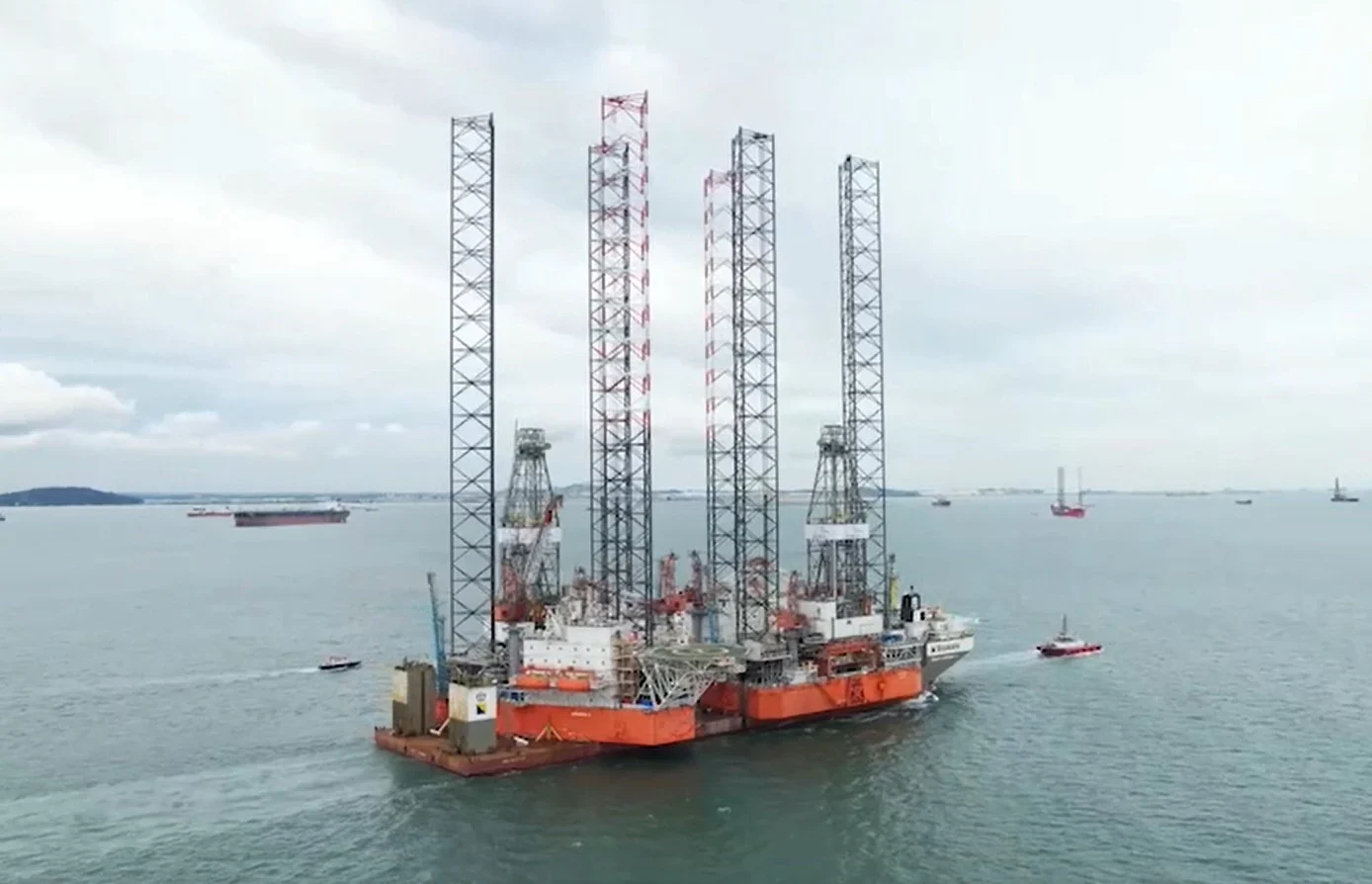
The Albanese government will force energy giants to set aside gas for domestic use under a new east coast reservation scheme, in a major intervention aimed at preventing shortages and cutting prices.
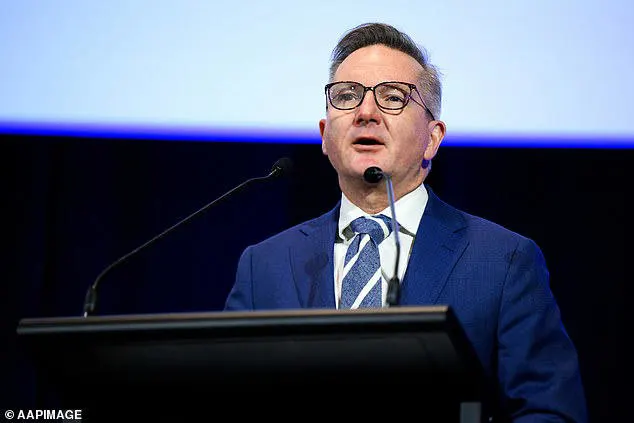
Resources Minister Madeleine King and Energy Minister Chris Bowen announced the move on Thursday, requiring producers to reserve a portion of their output for the Australian market from July next year.
Industry sources expect the quota to be around 20 per cent, applying across the east coast gas sector.
The scheme will hit major exporters, including Queensland’s LNG operations run by Origin, Shell and Santos, which will face tougher export permit controls.
The government says the move will help shield Australian households and businesses from volatile international prices, as concerns grow about looming supply gaps.
Despite being one of the world’s largest LNG exporters, Australia risks shortfalls on the east coast within years.
Australia’s gas shortage is largely driven by domestic supply pressures, but the Iran conflict is amplifying the problem by pushing up global prices.
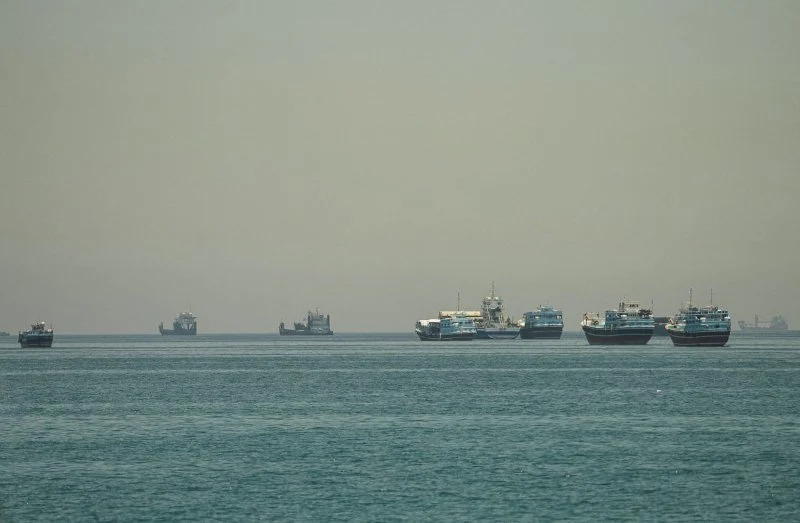
Fighting in the Middle East has disrupted key energy flows, including the Strait of Hormuz, a route that carries about 20 per cent of global oil and LNG, tightening supply and lifting prices worldwide.
The Australian Competition and Consumer Commission (ACCC) has warned supplies could fall well below demand from 2028, even though the country holds ample gas reserves.
‘For years the gas statement of opportunity and ACCC have warned of shortages… the policy we announce today will see them dealt with,’ Bowen said.
‘It will ensure a modest oversupply of gas that will support downward pressure on prices, but even more importantly provide certainty of access to Australian heavy industry which needs gas… and to homes that use gas.’

Bowen said gas use across the country was already declining, pointing to figures showing consumption last quarter fell to its lowest level in 26 years, which he described as ‘a good thing’.
‘As that gas use comes down, it does not become less important… for heavy industry… and to support renewables,’ he said.
To ease diplomatic tensions, Bowen confirmed the government has already briefed key trading partners, including Japan, and stressed that existing long-term LNG contracts will be honoured.
Prime Minister Anthony Albanese met Japanese Prime Minister Sanae Takaichi in Canberra on Monday, where the pair discussed gas supplies and broader energy cooperation.
‘We will not disturb any existing contracts… we will ensure it is well understood around the world that Australia will always be a reliable supplier of energy,’ Bowen said.
‘But we will be a reliable supplier of energy with Australian needs being catered for and Australian needs being met.’
Instead, the policy will initially target uncontracted gas, particularly spot cargoes, in a bid to redirect supply without disrupting established export deals.
The announcement comes just weeks after the government abandoned plans to increase taxes on gas producers in the federal budget, amid concerns about the impact on investment and international relationships.
Treasurer Jim Chalmers said he recognised Australians ‘had strong views’ on gas taxes, but argued the government had chosen a more effective path.
‘This is a really important step… it goes to our energy security and retail prices,’ he told Sky News on Thursday.
Asked whether the plan could dampen investment, Chalmers said the government did not expect it to have a negative impact on the sector.
The east coast proposal mirrors Western Australia’s long-standing reservation policy, which requires exporters to set aside 15 per cent of production for the local market – a model frequently credited with keeping domestic gas prices lower than those on the east coast.
Nationals Senator Bridget McKenzie said the Coalition tentatively supported the move, saying it was similar to a policy they proposed at the 2025 election.
‘We welcome this move, the devil will be in the detail though. We wouldn’t like to see any moves that dampen investment in these projects,’ she told Sky News on Thursday.
‘At a headline figure, it looks like the Labor Party is adopting Coalition policy, which is always good for the country.’
“Your company news doesn’t just get published – it’s seen by the decision makers who matter.”