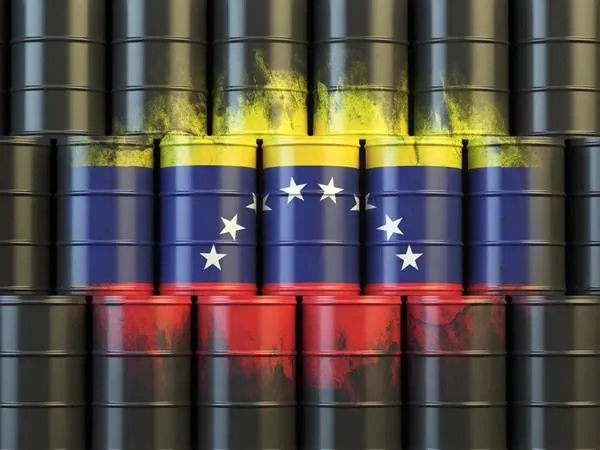
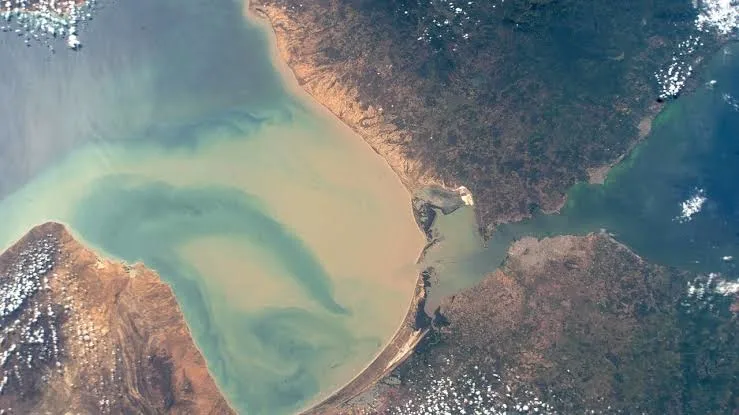
Eni and Repsol are advancing plans to develop a floating LNG export terminal at Venezuela’s giant Perla gas field in the Gulf of Venezuela, with the two European majors now considering bringing in outside investors to help fund the production expansion needed before exports can begin.
The Perla field, operated through the Cardón IV joint venture in which Eni and Repsol each hold a 50% interest, holds estimated reserves of 17 trillion cubic feet of gas and is currently producing approximately 580 million cubic feet per day, all of which feeds Venezuela’s domestic market. It is Latin America’s largest offshore gas field and Venezuela’s only producing offshore gas project.
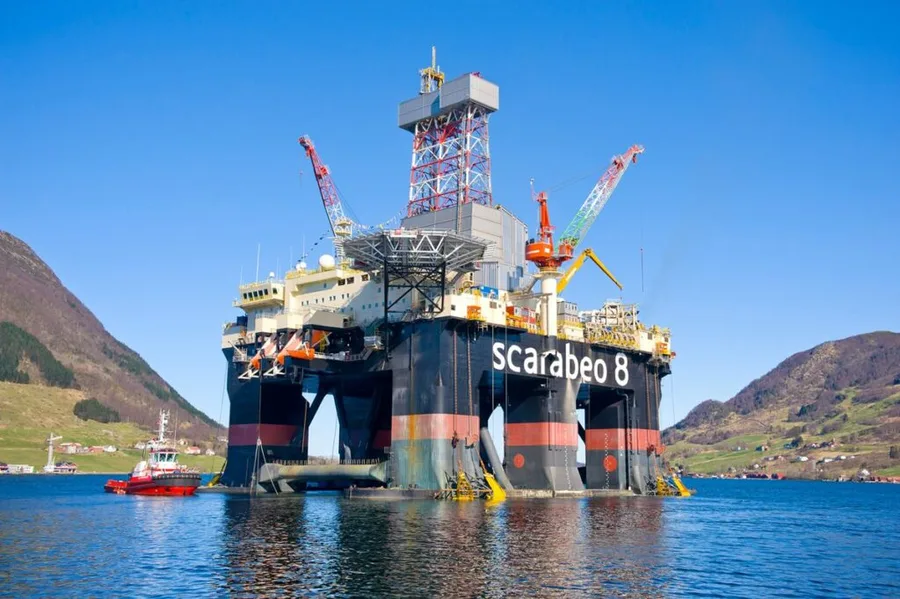
The partners signed an agreement with the Venezuelan government in April 2026 to begin exporting gas by the end of 2031, targeting a more than doubling of current production to approximately 1.2 billion cubic feet per day through new drilling and two additional platforms by 2028, with the surplus above domestic supply requirements to be exported via a floating LNG terminal. The use of a floating liquefaction vessel rather than an onshore LNG plant accelerates the timeline significantly and avoids the multi-billion dollar infrastructure requirements of a shore-based facility. Eni has prior experience with FLNG technology through its Coral Sul FLNG operation in Mozambique and the Hilli Episeyo project formerly in Cameroon, now being deployed in Argentina.

Bloomberg reported on 3 October 2026 that Eni and Repsol are evaluating whether to sell a portion of their respective stakes in Perla to bring in additional capital for the development programme, with the proceeds intended to fund the field’s expansion. No named buyer has been identified and both companies declined to comment on specific sale discussions. The evaluation is described as preliminary and no decision has been made.
The project’s revival has been driven by a combination of factors that were not in place until recently. The US capture of Nicolas Maduro in January 2026 and the establishment of an interim administration under acting president Delcy Rodriguez opened the way for US OFAC sanctions relief, which Repsol and Eni secured through general licences allowing them to resume full operational and financial engagement with PDVSA. Venezuela’s National Assembly also approved a reform of the Organic Hydrocarbons Law in January 2026, creating an improved commercial framework for international investment in the country’s upstream sector.
Eni and Repsol have been operating at Cardón IV without interruption since production began in 2013, maintaining the field through years of economic and political turmoil in Venezuela that left the companies owed approximately $6 billion in unpaid gas revenues. The April 2026 agreement included assurances from the Venezuelan government that the companies would be compensated for a portion of those outstanding amounts, a critical condition that had previously blocked agreement on a longer-term export development.
Repsol separately signed a memorandum of understanding with Venezuela’s Ministry of Hydrocarbons in June 2026 to explore a new area known as Horcón, southeast of Lake Maracaibo, further expanding its onshore and offshore footprint in the country beyond the Cardón IV offshore gas position.
“From our platform to LinkedIn’s energy professionals – your announcements reach the entire sector’s network, not just our readers.”