The UK’s Energy Minister has rejected trade union claims that 1,000 North Sea oil and gas jobs are being lost every month as a direct result of the government’s Energy Profits Levy, as the political battle over the future of the North Sea intensifies ahead of a decision on the Rosebank and Jackdaw developments.
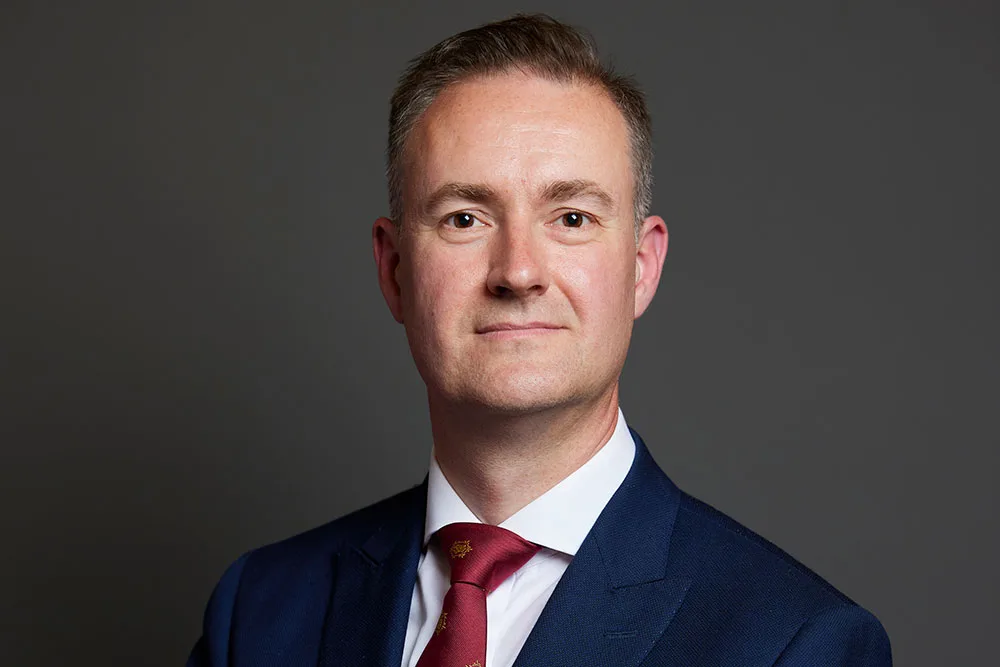
Industry Minister Chris McDonald told parliament that unions should “stop talking Britain down,” dismissing claims from Conservative MSPs and opposition politicians that the EPL was driving job losses on an industrial scale. The minister pointed to 70,000 jobs lost in the North Sea in the decade before Labour took office as evidence that the sector was already in structural decline before the current government’s policies took effect.
The government’s position has been challenged on multiple fronts. A cross-party Scottish Affairs Committee report warned that clean energy jobs are not being created at the pace or scale required to match the heavy job losses arising from the decline of the North Sea oil and gas sector, calling on Labour ministers to urgently address the gap with increased government investment proportionate to the scale of the challenge. The committee said the government must set out clearly how its investments and policy environment will create the jobs and revenue necessary to replace the jobs being rapidly lost.
Figures from the Department for Energy Security and Net Zero revealed the sector’s workforce had fallen from 136,675 in 2024 to 115,720 by 2026. By 2050, only 23,584 positions are projected to remain, representing a loss of 113,091 jobs over the period. More than 54,000 positions are forecast to disappear by 2030.
OEUK has consistently maintained that almost 1,000 direct and indirect oil and gas jobs are expected to be lost every month before the end of the decade. The GMB union said ministers cannot continue to “stick their fingers in their ears” while catastrophic job losses take place today. Unite has separately launched campaigns warning North Sea workers will be betrayed if new oil and gas licences are withdrawn without a credible plan for replacement employment.

The minister’s rebuttal comes as the government faces its most consequential North Sea decision since taking office. The public consultation on Rosebank closed on 17 August 2026, with Adura (the Shell and Equinor joint venture that operates both Rosebank and Jackdaw) arguing the two projects together represent £10.8 billion of investment and could support 3,500 jobs at peak construction. Energy Secretary Miatta Fahnbulleh must now weigh that case against the environmental arguments before granting or refusing consent.
Reports suggest Prime Minister Andy Burnham is considering approving Jackdaw while rejecting Rosebank, a compromise that would expose him to pressure from both sides of his party. Burnham has previously acknowledged that the UK cannot stop using oil and gas overnight and that domestic production could serve as a bridge to a cleaner energy future, but has not committed publicly to either project’s approval.
The EPL debate has run in parallel with the project decisions. The windfall tax, now at 38%, is scheduled to remain in place until 2030 unless oil and gas prices dip for six consecutive months. Aberdeen and Grampian Chamber of Commerce CEO Russell Borthwick said energy companies cannot invest or survive while the EPL remains in place without reform, and vowed the region would not accept the current trajectory without a fight.
“From our platform to LinkedIn’s energy professionals – your announcements reach the entire sector’s network, not just our readers.”