The world’s first offshore green hydrogen production on a live operational platform has been achieved in the Dutch North Sea, marking a significant milestone for the integration of hydrogen technology with existing offshore energy infrastructure.
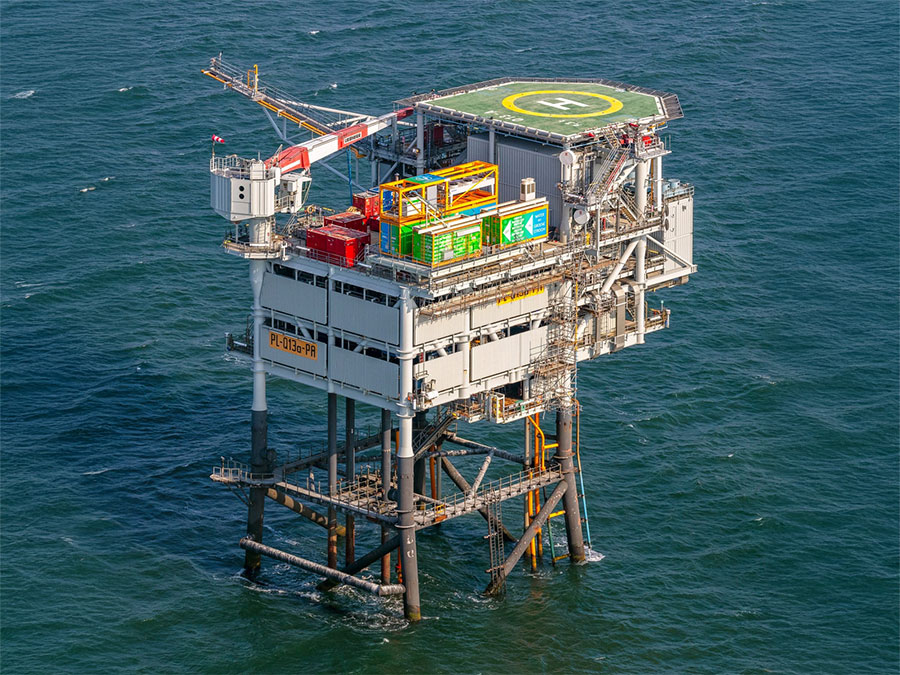
The PosHYdon pilot project, the world’s first initiative to combine offshore wind power, natural gas production and offshore hydrogen production in a single offshore system, has produced green hydrogen on the Q13a-A platform in the Dutch sector of the North Sea, operated by Eni Energy Netherlands.
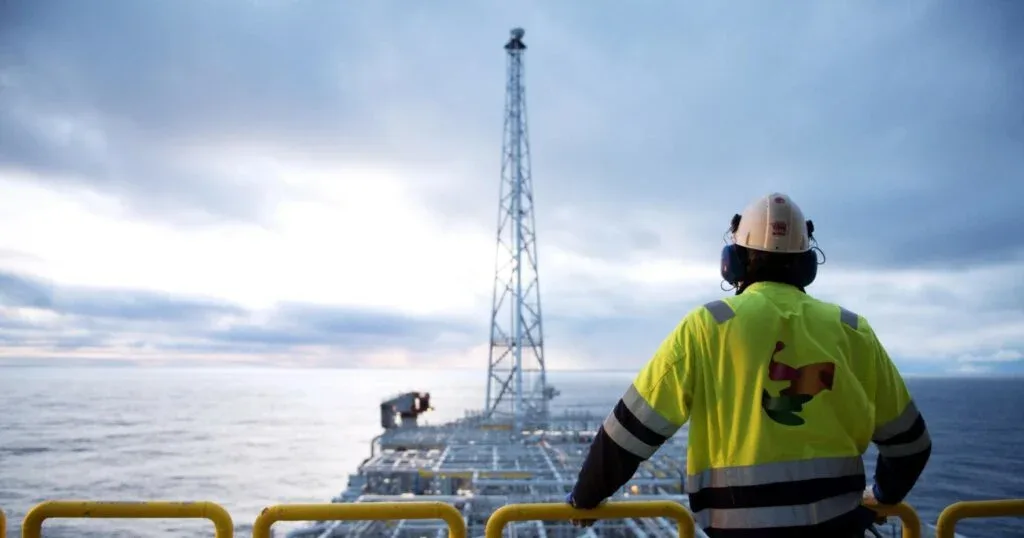
The Q13a-A platform is located approximately 13 kilometres off the coast of Scheveningen and is the first fully electrified production platform in the Dutch North Sea. On the platform, seawater is converted into demineralised water, which is then transformed into hydrogen through electrolysis powered entirely by offshore wind energy.
The pilot will initially focus on achieving stable hydrogen production before moving to test how the electrolyser responds to fluctuations in electricity supplied by offshore wind. During the trial period, the operational approach has been carefully assessed for safety and environmental impact. The main results will be compiled in August and September 2026 and shared with the wider hydrogen sector in the autumn.

The project also builds knowledge around the costs, maintenance requirements and operational performance of offshore hydrogen installations, providing an evidence base that will be central to the development of large-scale offshore hydrogen production across the North Sea basin.
Lex de Groot, Managing Director of Eni Energy Netherlands and Vice-President of Element NL, said: “It is remarkable to see that, together with all these public and private partners, we have been able to achieve a world first through PosHYdon. The reuse of existing offshore platforms for sustainable applications is now becoming a tangible reality. Together, we are taking a meaningful step towards a future offshore energy system in the North Sea.”
PosHYdon is supported by the Dutch Ministry of Economic Affairs and Climate Policy and brings together a consortium of 15 organisations including Eni, DEME, EBN, Eneco, Gasunie, Nel Hydrogen, TAQA and TNO.
The project carries broader significance for the offshore energy supply chain. Demonstrating that existing oil and gas infrastructure can be repurposed for hydrogen production offers a practical pathway for extending the value of offshore platforms as North Sea fields approach the end of their producing lives. For the Netherlands, where a significant volume of offshore assets will face decommissioning decisions over the next decade, the ability to redeploy platforms for hydrogen generation rather than remove them entirely has real commercial and policy implications.
“Your company news doesn’t just get published – it’s seen by the decision makers who matter.”