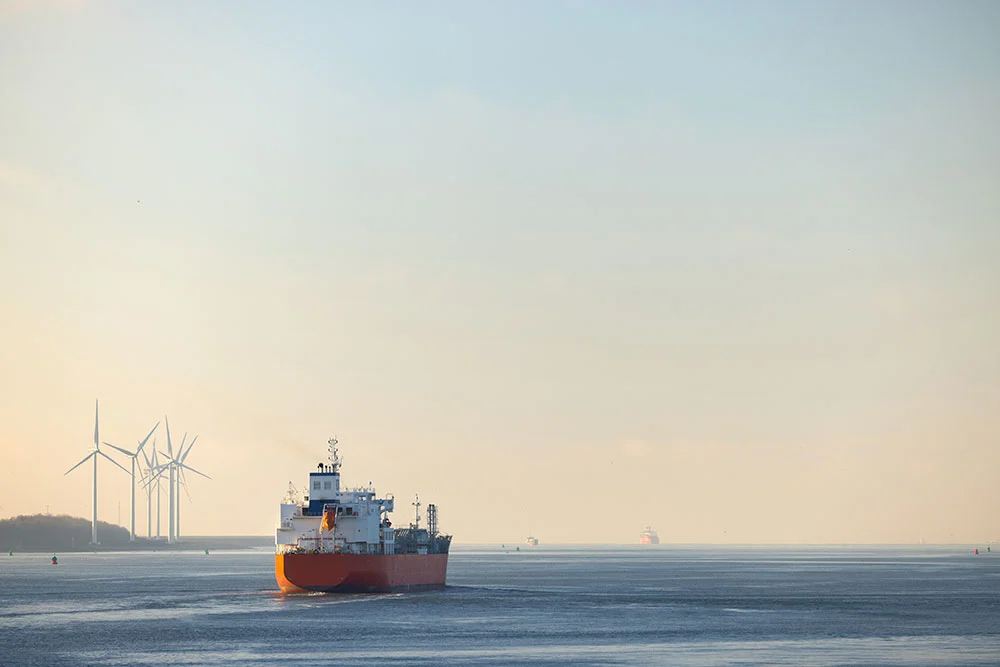
For decades, the maritime industry has quietly accepted a persistent and costly reality: critical spare parts are often unavailable when and where they are needed most. With approximately 30% of the global fleet now over 20 years old, operators are increasingly dealing with long lead times, retired tooling, and a growing reliance on grey-market copycat suppliers. Pelagus was built on the belief that this kind of supply chain fragility is not inevitable.
Originally launched as Pelagus 3D, the company has recently undergone a strategic repositioning, dropping the “3D” to reflect its evolution into a technology-agnostic, on-demand manufacturing partner. As a 50/50 joint venture between maritime leader Wilhelmsen and engineering conglomerate thyssenkrupp, Pelagus combines global energy and maritime reach with deep industrial expertise to help Original Equipment Manufacturers (OEMs) regain control of the aftermarket across both the maritime and energy sectors.
At its core, Pelagus exists to help genuine makers deliver parts faster through a secure digital inventory and a global manufacturing network. By focusing specifically on the legacy segment, equipment that is typically 15 to 20 years old, Pelagus addresses the point where OEM support often declines and availability becomes a serious operational risk.
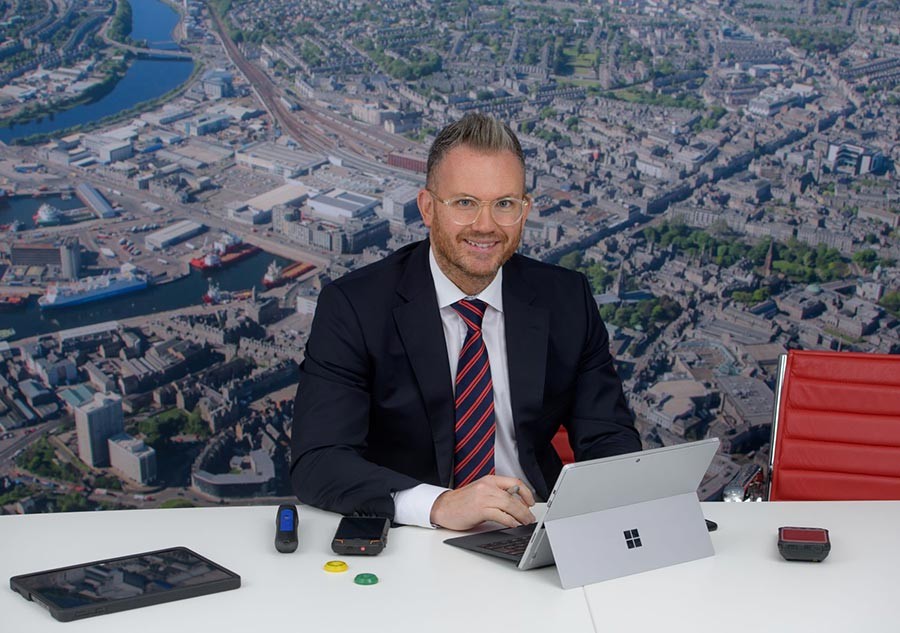
“The real step forward was understanding where the commercial pain for OEMs and asset owners actually sits,” says CEO Håkon Ellekjær. By concentrating on recurring demand for essential components such as pump housings, impellers, and valves, Pelagus enables OEMs to continue supporting their installed base without the financial burden of maintaining outdated production lines or storing physical inventory.
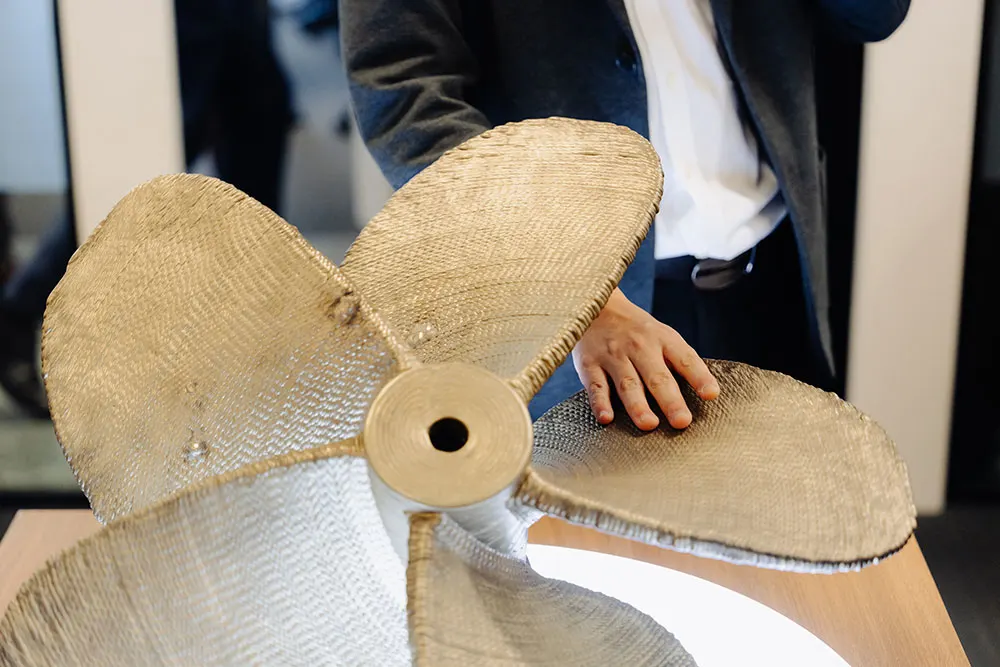
Instead of relying on traditional warehouses, the Pelagus model is built around “digital recipes”. The company works closely with OEMs to create production-ready digital definitions that capture everything from geometry and materials to certification requirements. When a part is needed, production is routed through a distributed network of around 100 qualified manufacturing partners worldwide.
This distributed approach directly addresses several modern logistical challenges:
- Reduced emissions: Producing parts closer to the point of need significantly lowers the carbon footprint associated with global shipping and logistics.
- Efficiency and speed: On-demand manufacturing enables faster production only when parts are required, reducing overstocking and unnecessary waste.
- IP protection: Pelagus works exclusively with genuine makers that own the intellectual property, ensuring quality and safety standards remain uncompromised.
Pelagus has built its credibility through delivery. This year, the company successfully signed multiple major OEMs for Proof of Concept (PoC) projects across the maritime and energy industries, validating that its focus on managing legacy portfolios is closely aligned with current industry pain points.
Operating from its headquarters in Singapore, with offices in Norway, Japan, Spain, Italy, and the UK, Pelagus has grown into a team of around 25 specialists with deep engineering expertise serving both maritime and energy customers.
Looking ahead over the next 12 to 18 months, Pelagus sees major growth opportunities in partnering with OEMs on asset life extension projects. As the balance between physical and digital inventory continues to shift, on-demand manufacturing is expected to move from a targeted solution to a standard industry practice.
By solving a problem that has challenged the sector for decades, Pelagus is not just delivering parts. It is helping build the resilience needed for a more efficient and sustainable future across the maritime and energy industries.
“When you share your news through GEN, you’re not just getting coverage – you’re getting endorsed by the energy sector’s most trusted voice.”